Bridging Generations Through Mutual Learning
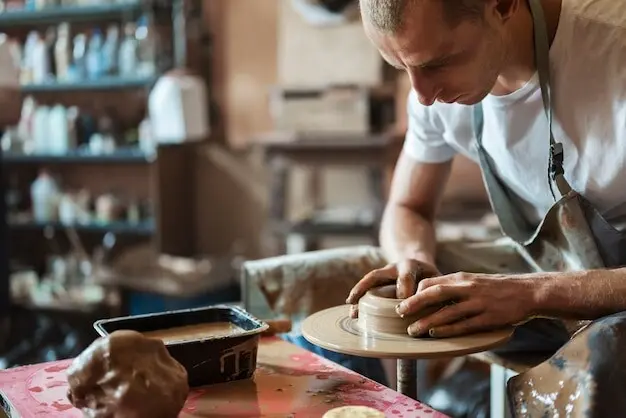
Join us as we dive into designing community programs that pair teens and older adults for mutual learning, building meaningful relationships where curiosity, wisdom, and practical skills flow in both directions. We will explore proven models, co-design methods, safety practices, and storytelling approaches, while inviting your experiences, questions, and bold ideas to shape the next generation of intergenerational learning.

Understanding the Shared Value

When young people and older adults learn together, everyone gains. Teens discover purpose, patience, and real-world problem-solving, while older adults experience renewed agency, cognitive stimulation, and social connection. Research consistently indicates reduced age bias and loneliness through regular, respectful contact. Let’s ground our planning in dignity, reciprocity, and measurable benefits that motivate participation, funding, and long-term community support.

Co-Design with Community Voices

Digital Skills and Storytelling Exchange

Teens coach on smartphones, safety, and creative apps; older adults mentor on narrative craft, interviewing, and ethical sharing. Together, they produce mini-documentaries or photo essays that honor neighborhood history and personal resilience. This model nurtures critical thinking, media literacy, and intergenerational trust, while leaving a lasting archive that communities can proudly share at libraries, festivals, or local news platforms.

Neighborhood History Mapping

Pairs collect oral histories, scan treasured photographs, and geotag meaningful places using simple mapping tools. Elders provide context that transforms streets into living archives; teens translate stories into accessible digital layers. The collaboration fosters place-based pride, strengthens cross-cultural understanding, and creates resources teachers, planners, and families can use to explore heritage, challenge myths, and envision future improvements grounded in collective memory.

Health and Movement Buddies

Set up low-pressure walking clubs, balance exercises, or mindful stretching where both partners track goals and cheer small wins. Teens introduce gentle fitness apps and hydration reminders; older adults share pacing strategies and sustainable habits. The routine reduces isolation, sparks playful accountability, and provides a safe context for conversations about well-being, grief, motivation, and joy—quiet foundations for lasting, supportive relationships.

A Trusted Onboarding Path

Design a welcoming orientation with icebreakers, consent walkthroughs, and a simple code of conduct co-authored by participants. Offer alternative meeting times, accessible transportation details, and emergency procedures in multiple formats. Clear expectations balanced with kindness reduce anxiety, support informed choice, and encourage families to champion involvement, especially when they see that respect, agency, and practical supports are embedded from the very beginning.

Facilitation Skills that Invite Respect

Great facilitators notice pace, model curiosity, and make space for quiet voices. Train staff and volunteers to use open-ended questions, reflect feelings, and set time-bound tasks with flexibility. Encourage strengths-spotting and generously share credit. When conflicts arise, slow down, validate perspectives, and seek co-created solutions. Skillful facilitation turns awkward moments into breakthroughs, helping pairs rediscover motivation and shared purpose after inevitable bumps.

Risk Management without Fear

Protect privacy with clear photo policies and secure data practices. Use publicly visible meeting spaces, buddy systems, and sign-in procedures that feel supportive, not punitive. Maintain optionality: no one is forced to share or be photographed. Regular check-ins and anonymous feedback channels surface small issues early. This balanced approach preserves spontaneity and warmth while honoring safety, consent, and community trust as non-negotiable priorities.

Designing Sessions and Activities

Every meeting needs rhythm, relevance, and reflective closure. Mix energizers with focused work blocks. Use universally designed materials that welcome diverse learning styles. Rotate leadership so everyone teaches and learns. Document progress visibly. Close with gratitude rounds and next-step clarity. Thoughtful pacing turns single sessions into a coherent arc where relationships deepen and skills compound in meaningful, confidence-building ways.

A First Meeting that Sparks Curiosity

Begin with a low-stakes creative prompt, like exchanging favorite problem-solving stories tied to music, recipes, or local landmarks. Offer paired micro-challenges where each person teaches a small skill. Establish communication preferences and accessibility needs early. Keep the tone playful yet respectful. When curiosity is honored, nervousness softens, and partners look forward to returning, ready to try slightly bolder, more collaborative tasks together.

Projects that Meet Real Needs

Select projects rooted in community priorities: digitizing family photos, creating resource guides, or designing safer walking routes. Ensure tasks have clear milestones and visible impact. Invite stakeholder feedback midway, not only at the end. When outcomes help neighbors immediately, motivation soars, attendance stabilizes, and participants experience the dignity of usefulness, a powerful antidote to both teenage cynicism and older adult isolation.

Reflection that Deepens Bonds

Close sessions with brief, structured reflection: what surprised you, what felt hard, and what you appreciated in your partner today. Capture quotes, photos with consent, and small artifacts of progress. Reflection makes learning stick, reveals adjustments for next time, and nurtures gratitude. Over weeks, these moments become the heartbeat of trust, guiding pairs through challenges with humor, patience, and renewed commitment.

Measuring Impact and Sustaining Momentum

Collect stories and data that matter. Blend simple pre-post check-ins, attendance patterns, and qualitative reflections with tangible outputs like digital archives or community showcases. Share results back to participants first. Celebrate progress publicly with partners. Build funding by aligning outcomes with civic priorities: health, education, digital inclusion, and belonging. Sustainability follows when impact is visible, owned locally, and joyfully communicated.

Meaningful Metrics, Not Busywork

Track indicators tied to goals participants actually value: confidence using technology, reduced loneliness, improved communication, and pride in community contributions. Keep instruments short, accessible, and multilingual where needed. Pair numbers with narrative quotes to make meaning vivid. When assessment feels respectful and useful, participants engage honestly, and data becomes a shared compass rather than an administrative burden.

Story Capture and Community Voice

Encourage pairs to document milestones with short audio reflections, consented photos, or postcards to future participants. Host a storytelling night where neighbors listen, learn, and cheer. Stories illuminate nuance that surveys miss: quiet bravery, unexpected leadership, or regained confidence. These artifacts dignify effort, attract allies, and gently recruit the next cohort by showing exactly how intergenerational learning feels from the inside.

Funding, Partnerships, and Longevity

Sustain the work through layered partnerships: libraries offering space, health networks supporting movement initiatives, and local businesses sponsoring showcases. Align proposals with measurable community priorities and share co-authored budgets. Diversify funding to avoid overreliance on a single grant. Invite alumni as mentors to protect program memory. Longevity grows when relationships, not transactions, hold the center of operations and storytelling.

How You Can Get Involved Today

Sign up for an interest call, propose a pilot site, or volunteer as a facilitator-in-training. Share accessibility needs early so supports are ready. Bring a friend or relative to the first session. Even a single hour can spark momentum, reimagine assumptions, and plant the seeds for a durable, joyful practice of learning together across generations.

Building a Network of Champions

Identify three allies—a librarian, a school counselor, and a neighborhood organizer—who can co-host, recruit, and sustain attention. Provide them with a concise deck, success stories, and a simple sign-up pathway. Champions unlock rooms, introductions, and trust. Their belief, voiced consistently, turns a promising idea into a shared civic project that grows stronger with every round of participation.

Share Your Story with Us

Tell us what worked, what surprised you, and what you would change. Send a paragraph, a photo with consent, or a brief audio note. We will incorporate your insights into future guides and shout-outs. Your experiences ensure this work remains practical, welcoming, and beautifully particular to the place you call home.

Davopalokento
Privacy Overview

This website uses cookies so that we can provide you with the best user experience possible. Cookie information is stored in your browser and performs functions such as recognising you when you return to our website and helping our team to understand which sections of the website you find most interesting and useful.