Learning Across Generations in Libraries and Museums
The Community Heartbeat of Shared Knowledge
Bridging Generations in Practice
Trust, Safety, and Belonging
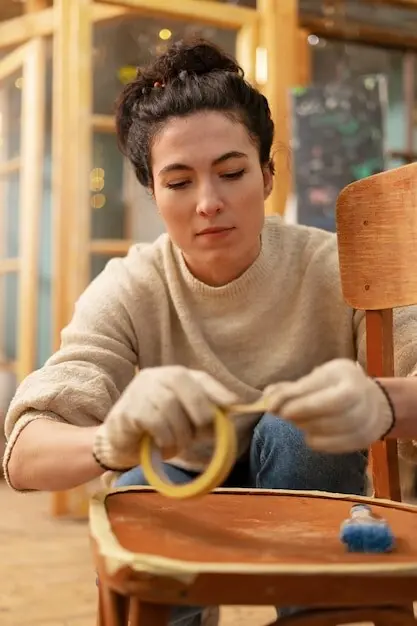

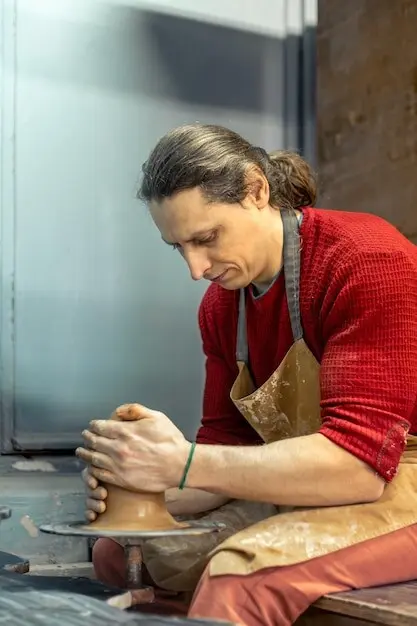
Designing Programs for Every Age
A Grandson Maps His Neighborhood with Grandma
A Veteran Reclaims Letters in the Archive
A Teen Docent Welcomes a Choir of Elders
Tools, Tech, and Tactile Discovery
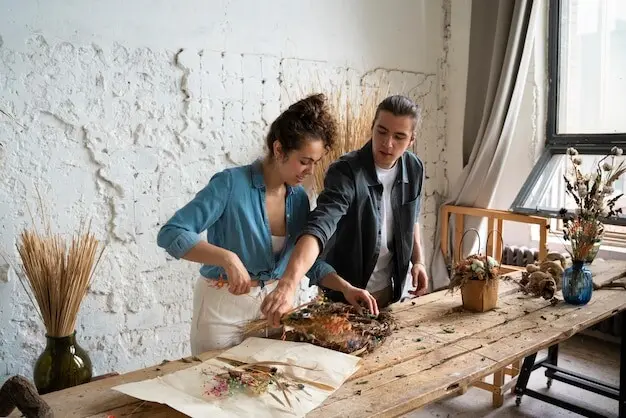
Measuring Impact with Care
Data with a Human Face
Simple check-ins catch the feelings behind the figures. Smiles, pauses, and questions reveal whether activities feel welcoming. Pair lightweight surveys with listening circles, and let participants suggest metrics. Shared ownership of evaluation keeps learning honest, practical, and focused on real community benefit.
Equity at the Center of Success
Impact means little if barriers persist. Budget for transportation vouchers, childcare supports, translation, and adaptive tools. Consult disability advocates and youth councils. When people who face obstacles design solutions, participation rises, dignity is protected, and outcomes grow more durable across generations.
Sustaining Partnerships and Funding
Lasting collaborations blend public agencies, friends groups, and local businesses. Shared calendars reduce overlap, while joint grant proposals fund cross-age priorities. Document processes openly so volunteers can step in confidently, keeping programs resilient even as staff roles change or funding cycles shift.
Get Involved and Keep the Conversation Going
Volunteer Pathways That Fit Real Lives
Choose from micro-roles like greeting guests, scanning photos, or moderating chats, and grow into deeper commitments when ready. Clear descriptions, calendars, and mentorship make entry easy. Your patience, curiosity, and care are exactly what inter-age circles need to flourish sustainably.
Start a Micro-Project This Month
Propose a tiny idea: two sessions to record songs, map markets, or label family recipes together. Staff will help with gear, permissions, and prompts. Small successes build momentum, attract partners, and transform casual visits into a practice of shared learning and trust.
Share Your Story and Subscribe
Tell us how a library or museum changed your week, and what you wish existed next. Post a comment, bring a friend, or add your email for gentle updates. Your voice guides experiments, and your presence turns ideas into welcoming routines for neighbors of every age.