Learning Across Generations in Libraries and Museums
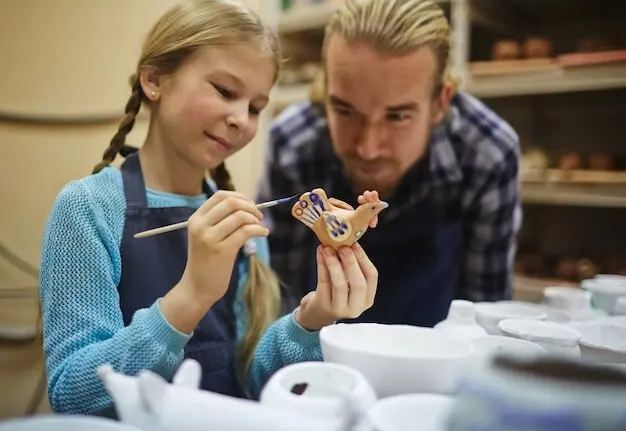
Step into welcoming spaces where curiosity travels both ways. We explore how libraries and museums now act as lively hubs for inter-age learning initiatives, inviting children, teens, adults, and elders to co-create knowledge, swap skills, and build community resilience through shared stories, hands-on programs, and welcoming design.

The Community Heartbeat of Shared Knowledge
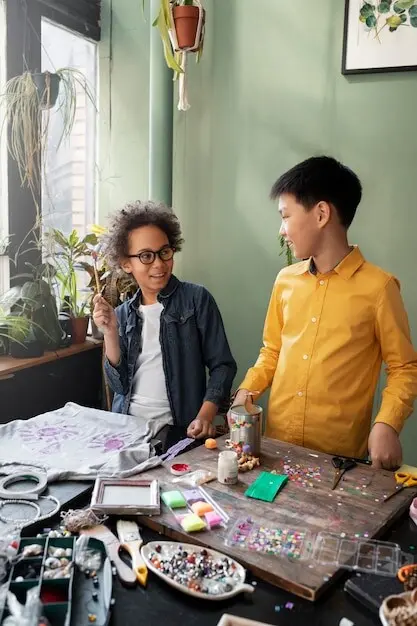
When shelves and galleries become gathering places, relationships grow around curiosity instead of age labels. Inter-age learning flourishes because people meet as peers: listeners, makers, and storytellers. These encounters nourish confidence, spark empathy, and strengthen neighborhood networks that outlast any single event or exhibition.

Bridging Generations in Practice

Picture a morning coding circle where a retired engineer sits beside a middle-school gamer, trading debugging tricks for retro hardware memories. By anchoring activities in shared goals, everyone contributes visibly, and pride replaces hesitation, making collaboration feel natural, joyful, and repeatable well beyond the workshop walls.

Trust, Safety, and Belonging

Clear norms, kind facilitators, and accessible spaces invite shy voices forward. Name tags, quiet corners, and tactile materials reduce anxiety, while inter-age pairs check in on one another. Over time, those small rituals turn strangers into collaborators who feel comfortable asking questions and sharing partial ideas.

Designing Programs for Every Age

Great programs meet people where they are and invite them to stretch gently. By mixing familiar tasks with small challenges, facilitators keep sessions accessible and exciting. Co-created agendas, plain-language instructions, and varied roles help participants contribute meaningfully regardless of age, background, or learning preference.

A Grandson Maps His Neighborhood with Grandma

Armed with colored pencils and a tablet, they mark playground shortcuts and vanished bakeries. Museum educators add archival photos, while librarians teach simple geotagging. By project’s end, both feel seen: her memories find new shape, his curiosity meets roots, and neighbors discover a layered map.

A Veteran Reclaims Letters in the Archive

A quiet afternoon becomes transformative when scanned correspondence appears on a screen. With a teen volunteer digitizing and describing, stories of friendship and fear unfold. Together they design a small exhibit that honors service, healing, and the dignity of remembering with care.

A Teen Docent Welcomes a Choir of Elders

Instead of rushing through galleries, the group pauses at artworks tied to local events. The teen’s questions invite layered reflections, while elders’ harmonies test the room’s acoustics. Learning becomes musical, generous, and reciprocal, echoing after the visit as friendships form naturally.

Tools, Tech, and Tactile Discovery

Balanced toolkits welcome different comfort levels. From sensory-friendly labels to 3D-printed replicas and simple tablets, choices matter. When participants can touch, zoom, listen, or annotate, confidence grows, and cross-age teams find shared excitement in building, repairing, recording, and caring for community knowledge.
Short, patient clinics pair neighbors for practice: adjusting font sizes, saving photos, checking sources, and exploring catalog features. By celebrating tiny wins and repeating key steps, sessions build durable habits, reduce frustration, and transform devices from obstacles into bridges for creative, inter-age collaboration.
Replicas and safe materials invite touch, while originals remain protected. Participants learn conservation basics by cleaning, housing, and documenting practice items. The ritual of careful handling builds respect, and the shared responsibility turns stewardship into a memorable, confidence-building experience for all ages.
Good microphones, captioning, and clear slides help remote participants feel present, while on-site hosts engage cameras thoughtfully. Breakout circles mix ages across screens and tables, keeping energy consistent. Recordings extend impact, and follow-up prompts spark continued collaboration after the scheduled time ends.

Measuring Impact with Care

Numbers matter, but stories explain them. Track attendance, retention, and cross-age pairings, then add reflective notes from participants and staff. Look for quieter outcomes too: new friendships, library card sign-ups, return visits, and neighborhood projects sparked by something small but meaningful.

Data with a Human Face

Simple check-ins catch the feelings behind the figures. Smiles, pauses, and questions reveal whether activities feel welcoming. Pair lightweight surveys with listening circles, and let participants suggest metrics. Shared ownership of evaluation keeps learning honest, practical, and focused on real community benefit.

Equity at the Center of Success

Impact means little if barriers persist. Budget for transportation vouchers, childcare supports, translation, and adaptive tools. Consult disability advocates and youth councils. When people who face obstacles design solutions, participation rises, dignity is protected, and outcomes grow more durable across generations.

Sustaining Partnerships and Funding

Lasting collaborations blend public agencies, friends groups, and local businesses. Shared calendars reduce overlap, while joint grant proposals fund cross-age priorities. Document processes openly so volunteers can step in confidently, keeping programs resilient even as staff roles change or funding cycles shift.

Get Involved and Keep the Conversation Going

You can help these spaces thrive. Join a workshop, offer a skill, or bring a question that needs neighbors. Share feedback, subscribe for updates, and invite a friend. Together we can build welcoming pathways where learning flows confidently between generations every single day.

Volunteer Pathways That Fit Real Lives

Choose from micro-roles like greeting guests, scanning photos, or moderating chats, and grow into deeper commitments when ready. Clear descriptions, calendars, and mentorship make entry easy. Your patience, curiosity, and care are exactly what inter-age circles need to flourish sustainably.

Start a Micro-Project This Month

Propose a tiny idea: two sessions to record songs, map markets, or label family recipes together. Staff will help with gear, permissions, and prompts. Small successes build momentum, attract partners, and transform casual visits into a practice of shared learning and trust.

Share Your Story and Subscribe

Tell us how a library or museum changed your week, and what you wish existed next. Post a comment, bring a friend, or add your email for gentle updates. Your voice guides experiments, and your presence turns ideas into welcoming routines for neighbors of every age.

Davopalokento
Privacy Overview

This website uses cookies so that we can provide you with the best user experience possible. Cookie information is stored in your browser and performs functions such as recognising you when you return to our website and helping our team to understand which sections of the website you find most interesting and useful.